
“We Turn People Away”: Why Some Classic Car Builders Are Actively Discouraging the Wrong Clients
Hull, UK — In most industries, turning away potential customers would be considered bad business.
In the world of high-end, re-engineered classics, it’s becoming a deliberate strategy.
A small number of specialist builders are now openly acknowledging something rarely said out loud: not every client is the right fit, and trying to serve everyone can dilute the very thing that makes these cars valuable.
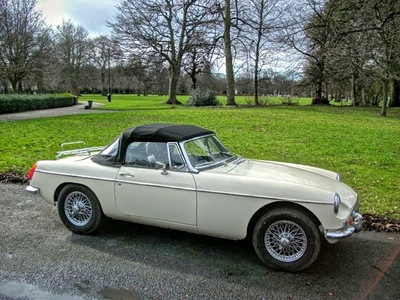
At the centre of this approach is the commissioning of cars like the MGB Roadster, where the process is as selective as the product itself.
The Problem with “Saying Yes” to Everyone
Traditional classic car sales follow a simple model: stock cars, list them, sell them.
But for bespoke builds, that model breaks down.
Each project requires:
• Significant time investment
• Detailed client collaboration
• Long-term commitment from both sides
When expectations aren’t aligned, from budget to timeline to intended use, the result is friction. Not just during the build, but long after delivery.
Increasingly, specialists are recognising that the wrong client doesn’t just create a difficult project, they compromise the outcome.
Designing a Process That Filters
Rather than reacting to mismatches later, companies like CCHL are designing their process to filter early.
Initial conversations are structured not as sales pitches, but as mutual assessments.
Key topics are addressed upfront:
• Previous ownership experience
• Intended use of the car
• Expectations around performance and comfort
• Understanding of build timelines, often extending years
In some cases, potential clients are encouraged to pause rather than proceed.
It’s a subtle shift, but a powerful one.
Why Discouragement Works
Counterintuitively, introducing friction into the process often strengthens demand.
Long lead times, limited build slots, and detailed consultations don’t just slow things down, they signal value.
More importantly, they ensure that the clients who do proceed are fully aligned with the philosophy behind the build.
The result is better cars, better experiences, and fewer compromises.
From Buyers to Participants
This approach also changes the role of the client.
Instead of simply purchasing a finished product, they become part of the process, engaging in decisions around specification, materials, and driving characteristics.
That level of involvement requires commitment.
And not everyone wants it.
Which is precisely the point.
A Different Kind of Exclusivity
Exclusivity in the classic car world has traditionally been defined by rarity or originality.
Now, it’s increasingly defined by access.
Not everyone can simply buy in.
They have to be the right fit.
Quote
“We’re not trying to sell to as many people as possible,” said Simon Lucas. “We’re trying to build the right cars for the right clients. If that means someone isn’t suited to what we do, it’s better to be honest early.”
A Wider Shift in Luxury
This philosophy mirrors a broader trend across luxury sectors,,from bespoke tailoring to high-end watchmaking, where brands are prioritising alignment over volume.
Fewer clients.
Stronger relationships.
More meaningful products.
The Outcome
By actively discouraging the wrong clients, specialist builders aren’t reducing demand, they’re refining it.
And in doing so, they’re redefining what it means to commission a classic car.
About CCHL
CCHL is a UK-based specialist with over 30 years of experience in rebuilding and re-engineering classic MGB Roadster vehicles. The company produces a limited number of bespoke builds each year, working closely with clients through a structured commissioning process designed to ensure alignment from the outset.
More information: https://www.cchl.co.uk/